
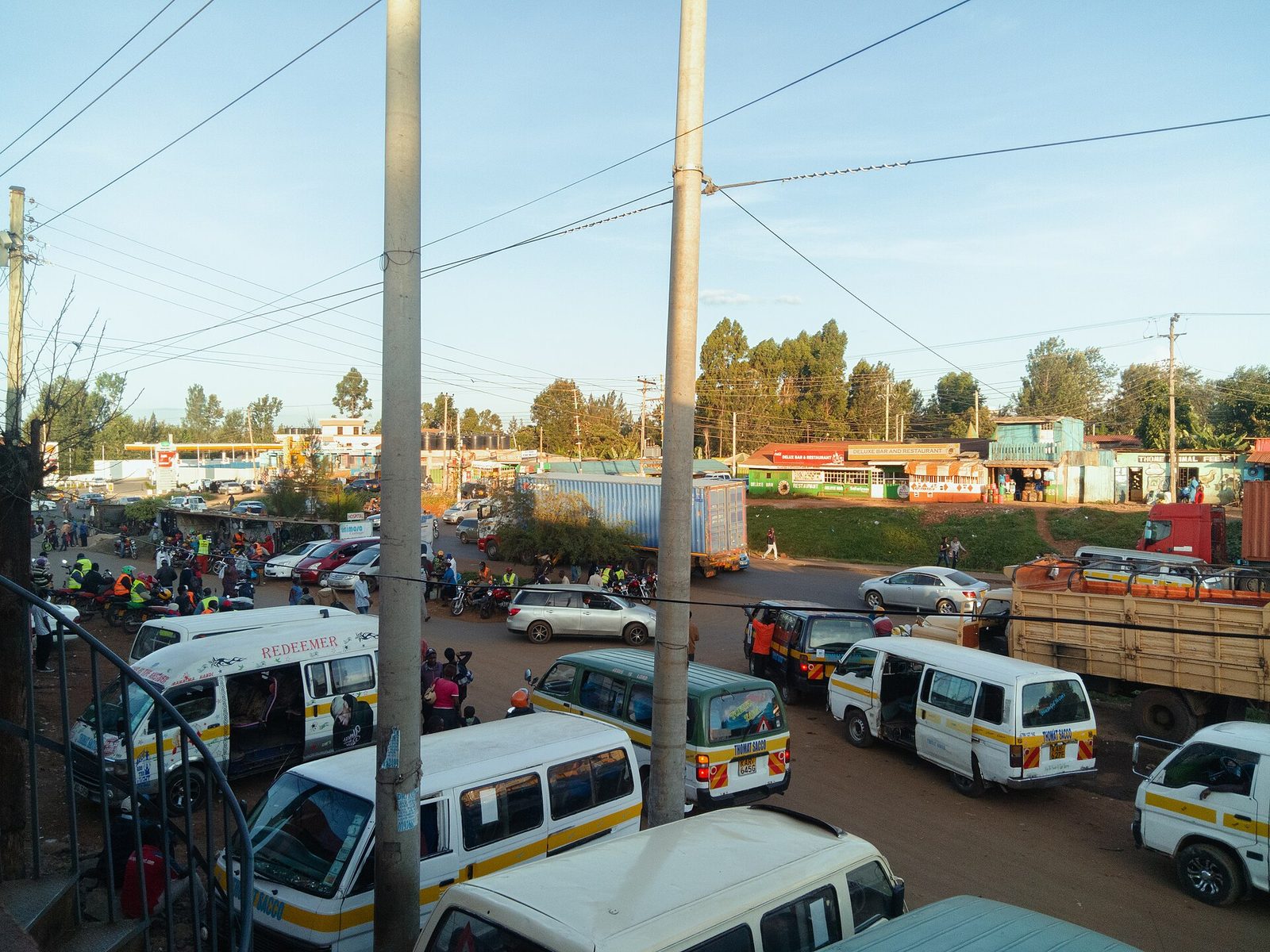
If your vehicle carries passengers for a fare — a matatu, a bus, a tour van or a boda boda — ordinary private or even ordinary third party cover is not enough. Kenyan law expects PSV cover with passenger legal liability.
What passenger legal liability means
Ordinary third party cover protects people outside your vehicle — other motorists and pedestrians. Passenger legal liability (PLL) protects the people inside it. If a fare-paying passenger is injured or killed, PLL is the cover that compensates them or their family. A matatu on a private-class policy leaves its passengers effectively uninsured.
What insurers check before paying a PSV claim
PSV claims are examined carefully. The three most common problems we see are: a driver without a valid PSV badge, a vehicle carrying more passengers than its licensed seating capacity, and an expired NTSA inspection certificate. Any one of these can sink an otherwise genuine claim — which is why we check them with you before cover starts, not after an accident.
Third party + PLL, or comprehensive?
Third party plus passenger liability is the standard legal requirement and the cheaper option. Comprehensive adds your own vehicle — damage, theft and fire — and is usually required where a Sacco loan or bank finance is attached to the vehicle.
Documents you will need
Logbook, NTSA inspection report, driver's PSV badge and licence, and a SACCO or route membership letter where your insurer requires one. Keep them together — when an insurer asks for documents, speed matters.
Tell us your vehicle type, seating capacity and route, and we will match you with an insurer whose requirements you can actually meet.