
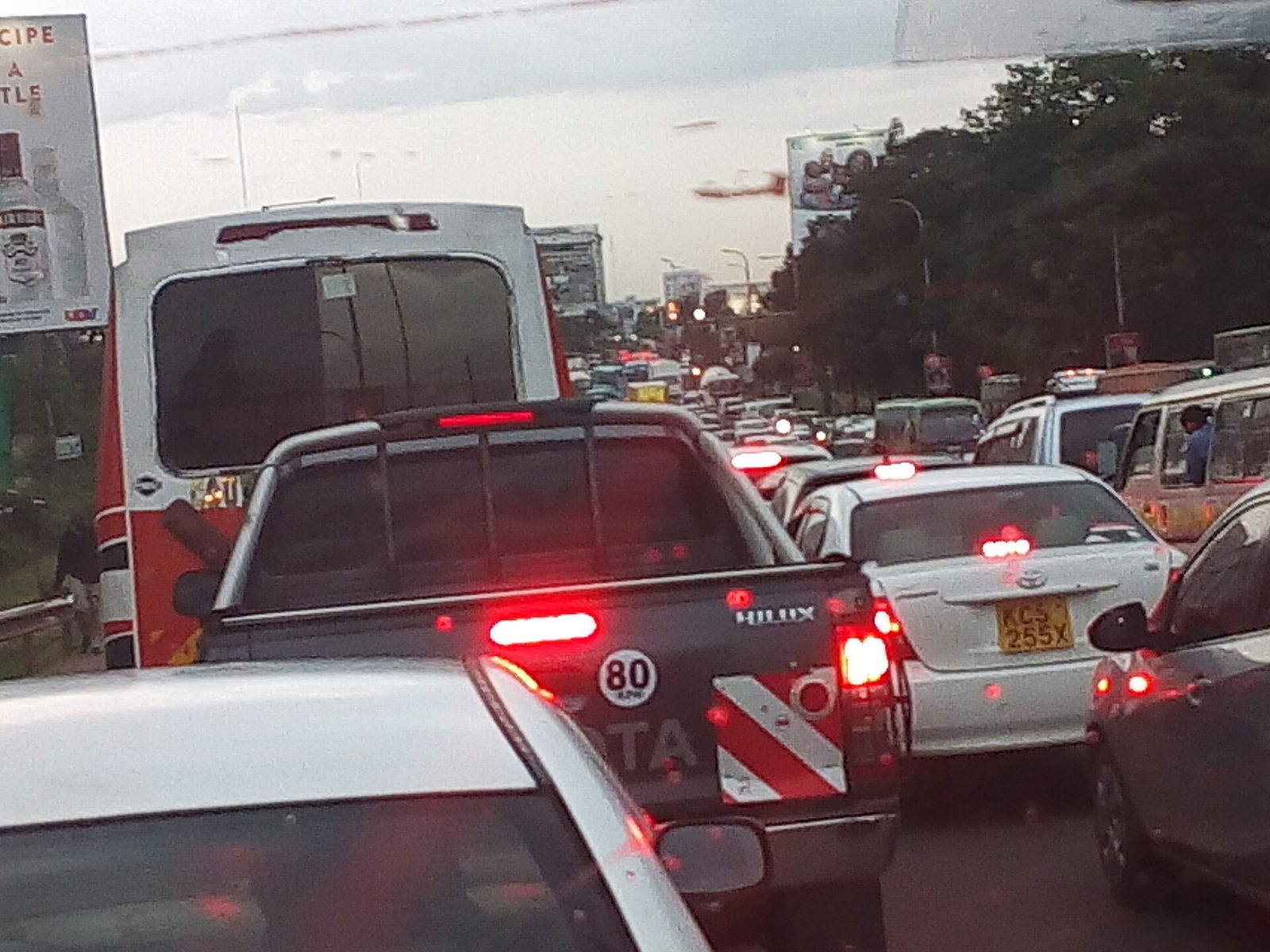
Accidents are confusing, and the steps you take in the first hour affect your claim months later. Here is the order that protects you.
1. Safety and injuries first
Check on people before property. If anyone is hurt, call for medical help and the police. Do not move an injured person unless there is immediate danger. Switch on hazard lights and, if the vehicles can move safely, clear the road to prevent a second accident.
2. Do not admit fault at the scene
Exchange details calmly — names, phone numbers, number plates and insurers — but do not sign anything accepting blame and do not negotiate payments at the roadside. Liability is assessed later by police and insurers.
3. Photograph everything
Before the vehicles move (where it is safe), photograph the scene from several angles: number plates, the point of impact, road markings, skid marks and the wider junction. These photos often decide disputed claims.
4. Report to the police
Report to the nearest police station — for injury accidents this must happen, and a police abstract will be required by every insurer. Get the abstract; it is the document your claim is built on.
5. Notify your insurer quickly
Most policies require notification within days, not weeks. Call us and we will lodge the claim with your insurer, tell you which documents they need, and follow up the assessor. Delays in notification are a common reason for frustrating claim outcomes.
6. Keep every paper
Police abstract, medical reports, repair estimates, receipts — keep them all. When the assessor inspects the vehicle, do not authorise repairs before the insurer confirms, unless told otherwise.
If you are reading this at a scene: breathe, check people, call the police, photograph, then call us on +254 726 262 644 and we will take it from there.